When every crane design presents its own unique requirements.
When inspecting crane ropes, the structural conditions play an important role, as the requirements for the examination vary depending on the design. This becomes particularly evident when cranes from different manufacturers are in use at the same site.
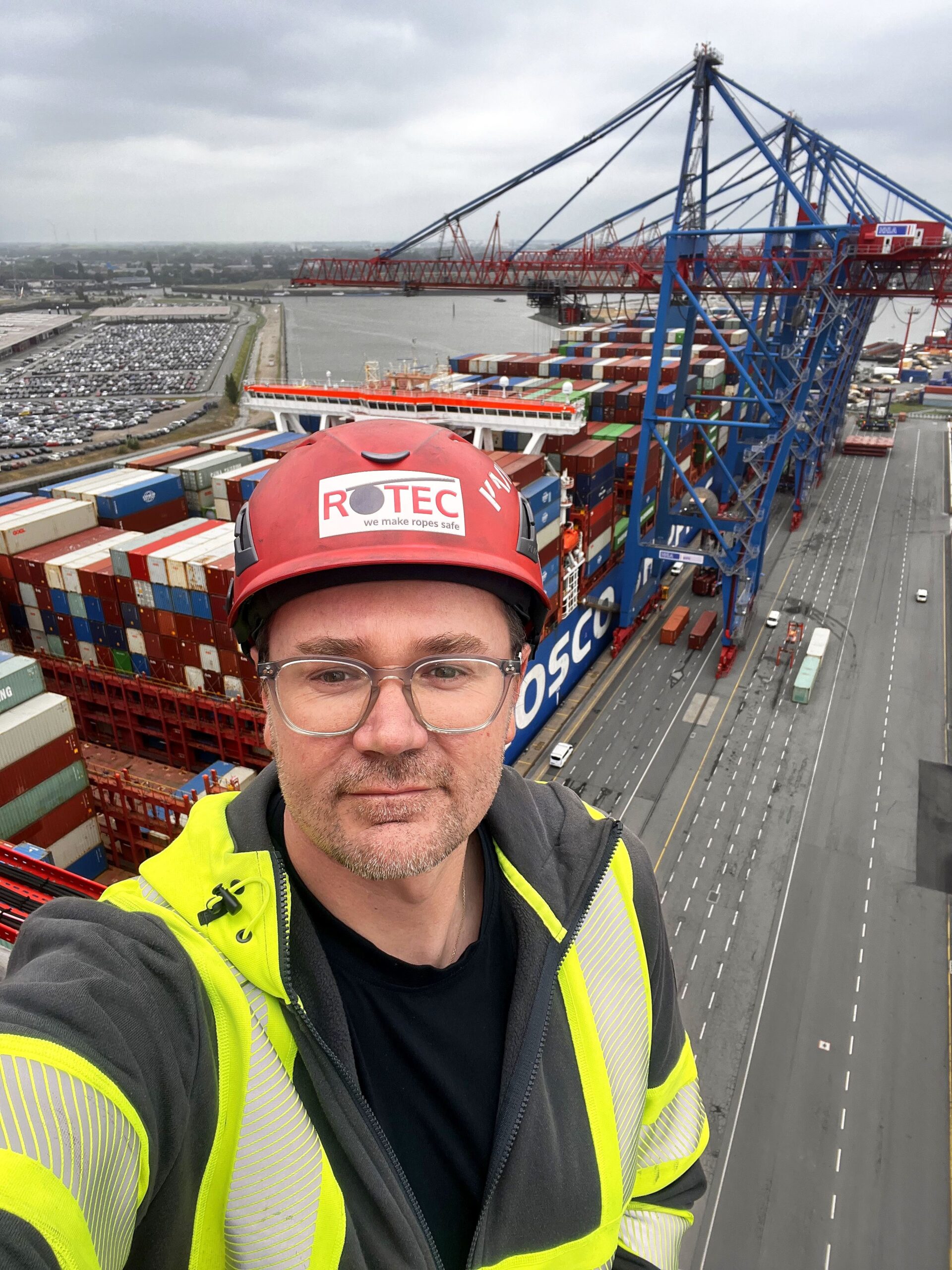
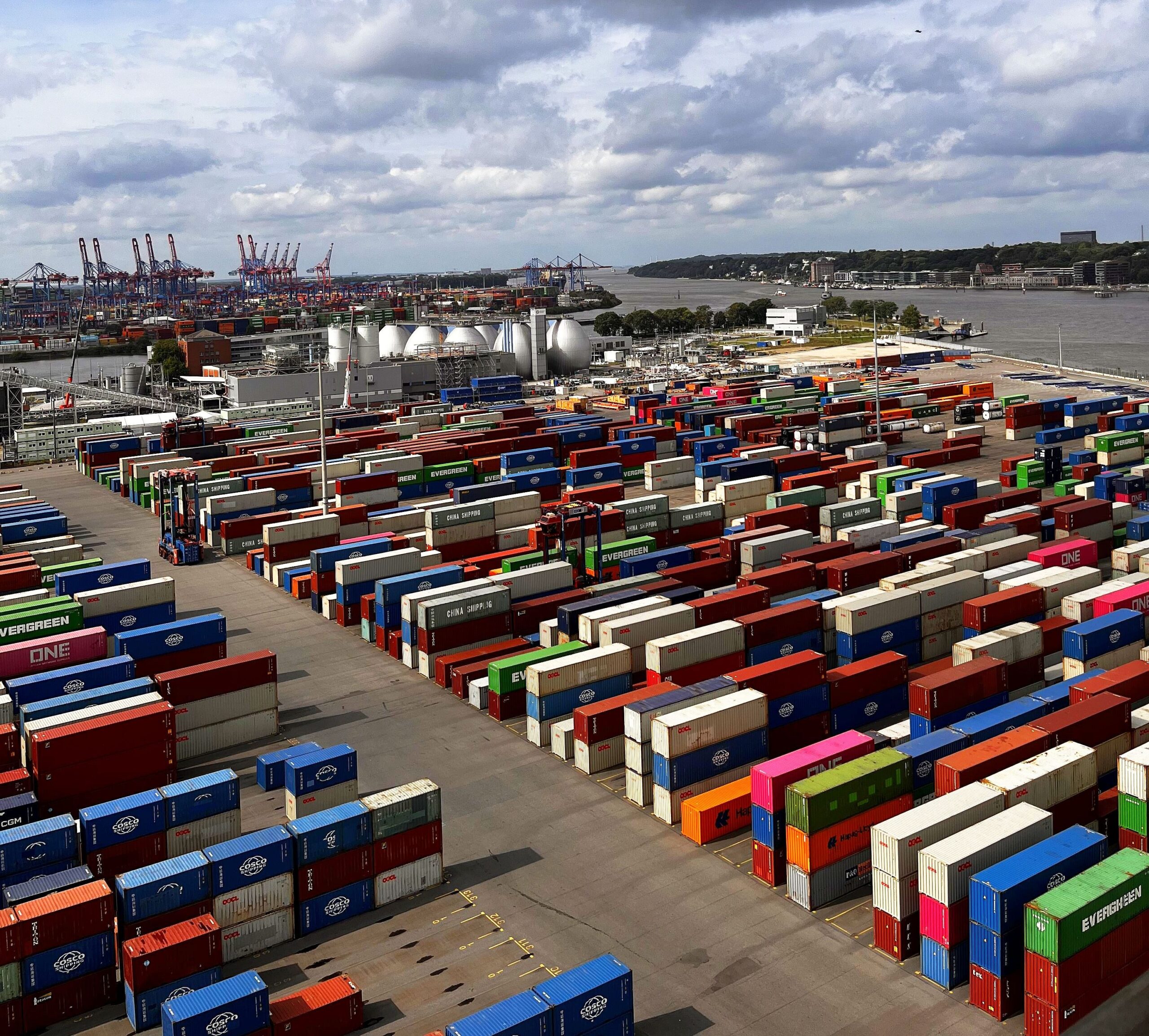
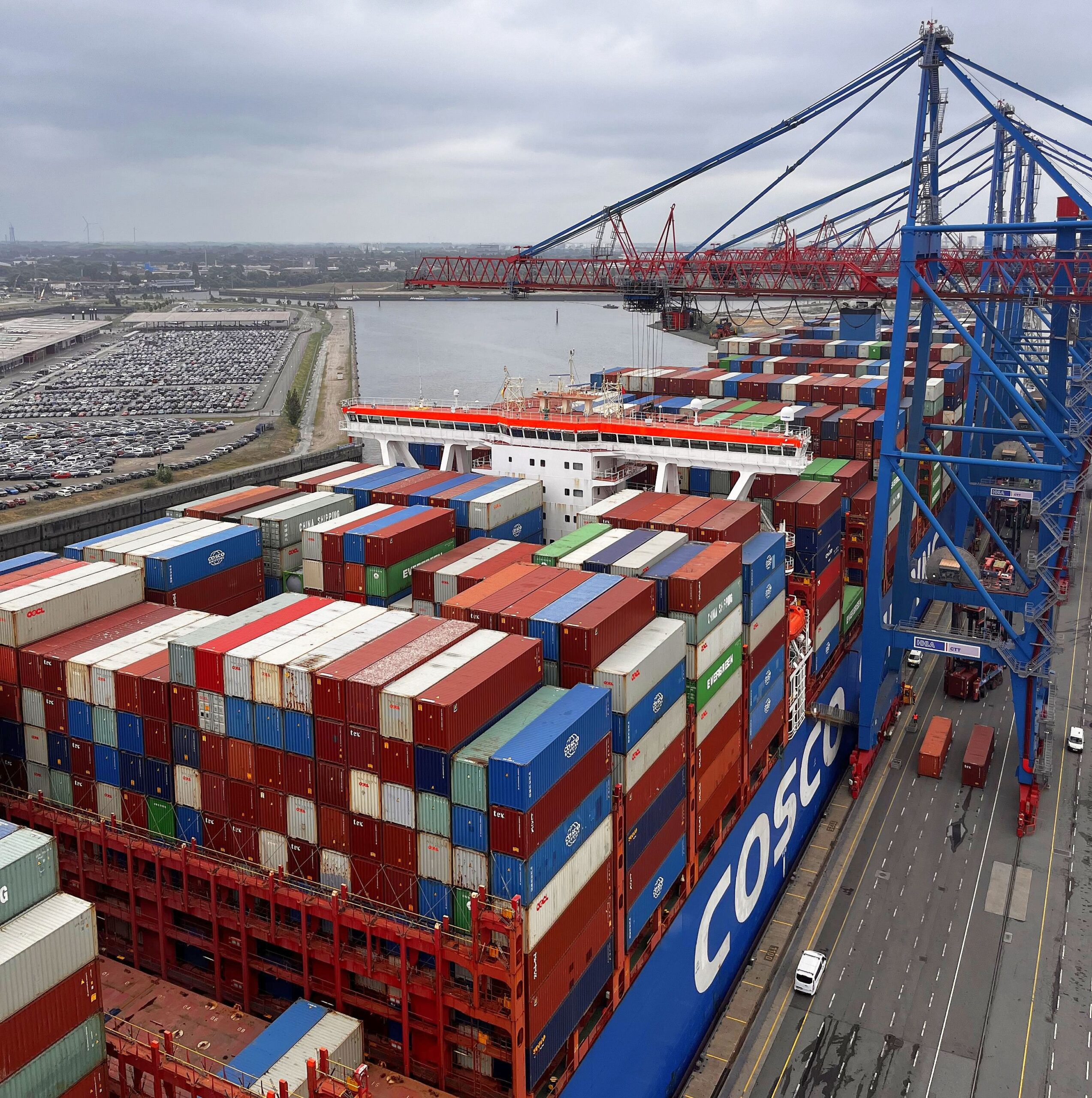
In September, our colleague Marcus Liebscher was once again on assignment at HHLA in the Port of Hamburg. At the Container Terminal Tollerort, he inspected the ropes of the luffing mechanisms on several container cranes.
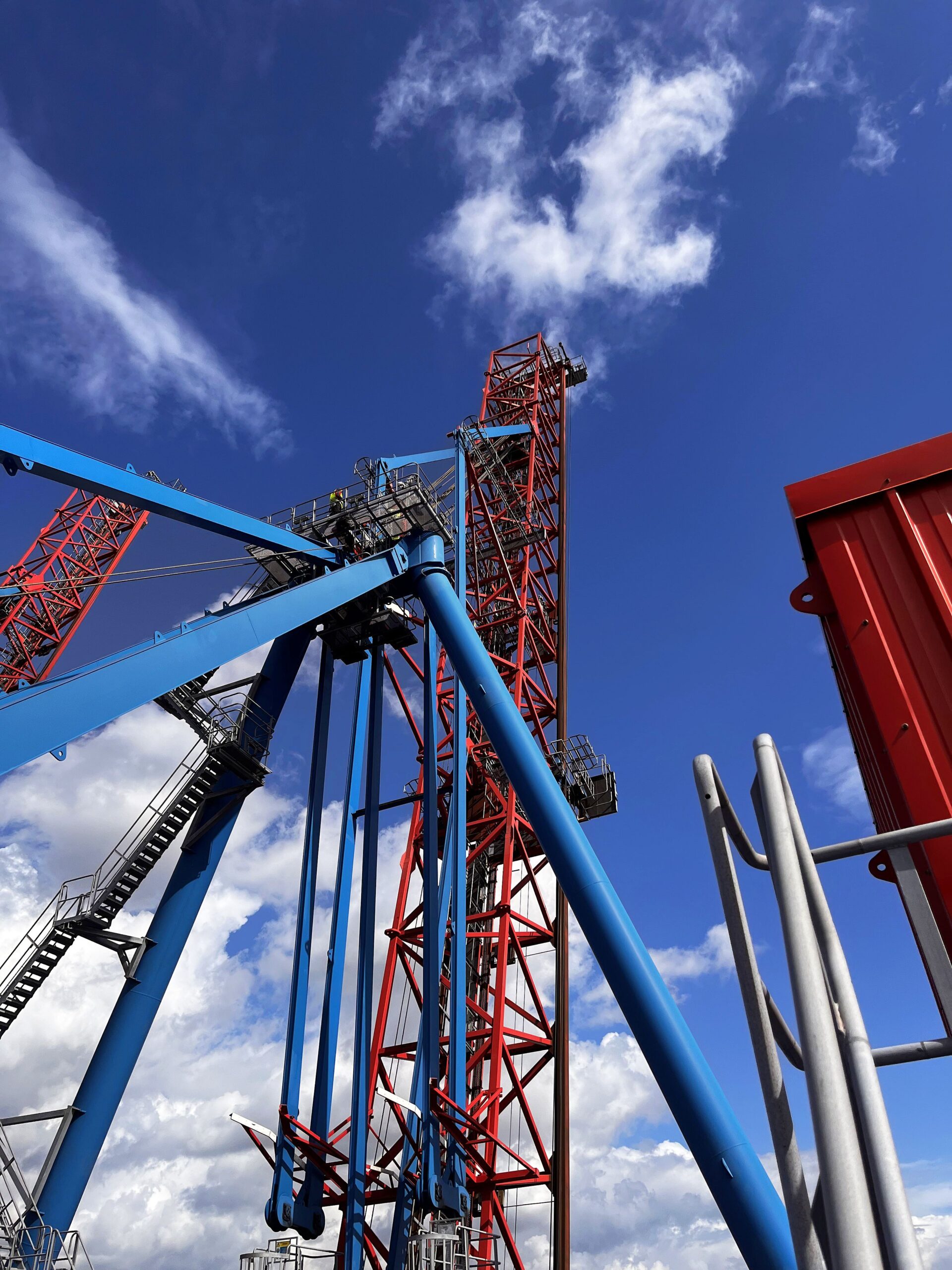
A unique aspect of this operation is that the cranes come from four different manufacturers. This results in varying designs, each of which imposes its own specific requirements for inspection.
Why each crane must be considered individually
Different types of cranes vary in terms of factors such as rope routing, installation configuration, and accessibility. These factors influence how the relevant sections of the rope can be reached and inspected.
For this reason, the inspection of crane ropes cannot follow the same procedure for every installation. Instead, the approach must be adapted to the specific conditions present.
Marcus Liebscher describes the practical challenge: “You always have to come up with something to ensure that the areas can be properly examined.”
The design thus establishes key parameters. Only once these are known is it possible to determine how the testing can be implemented in a meaningful way.
The rope routing determines the procedure
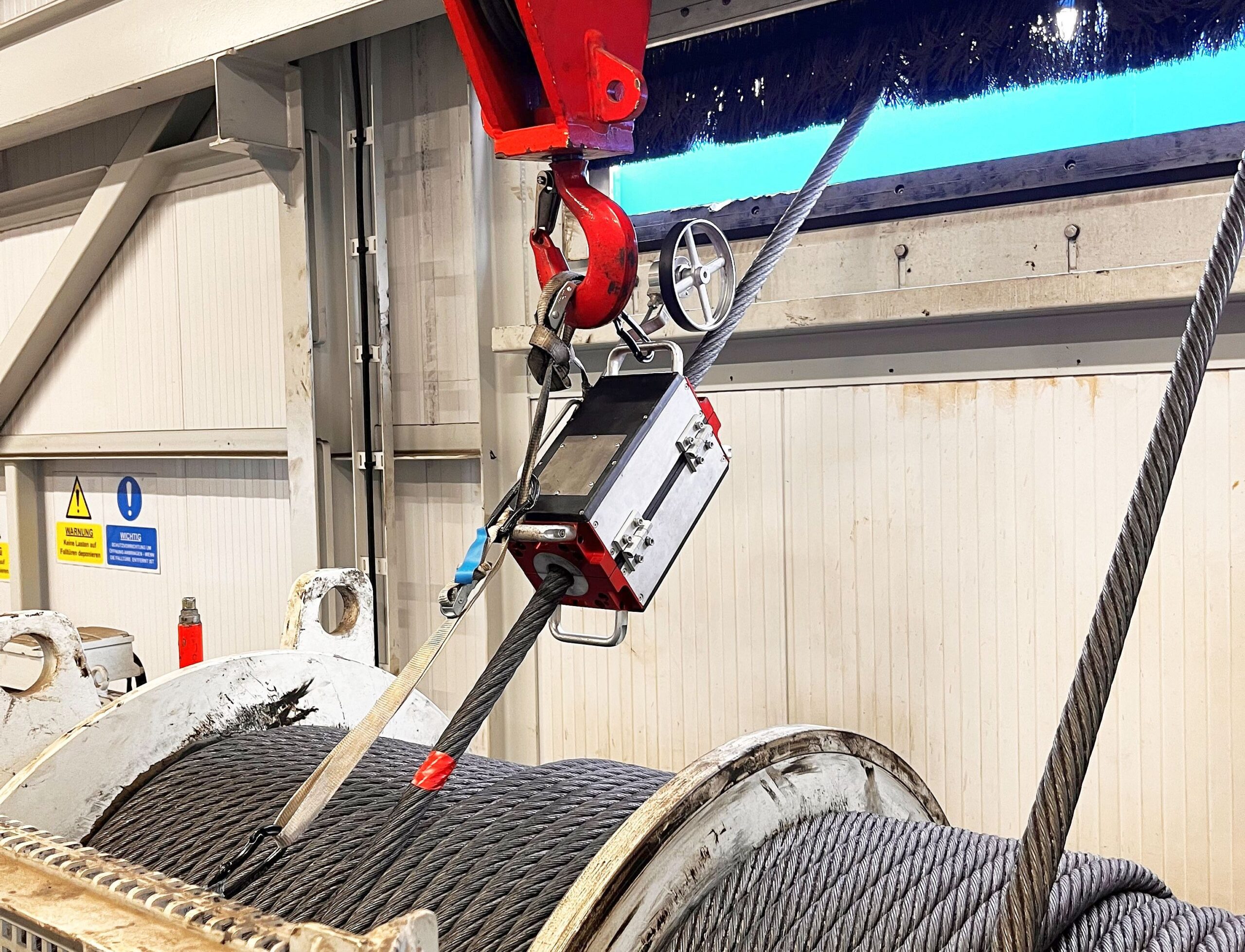
Especially when it comes to the ropes of luffing mechanisms, it is important to be able to reliably access the relevant areas. To do this, one must first examine how the rope is routed through the specific system and what structural features need to be taken into account.
Based on this, the appropriate course of action can be determined—because a solution that works for one crane is not necessarily suitable for a different type of structure.
When inspecting crane ropes, it is therefore essential to align the technical capabilities with the conditions on-site.
Testing technology and practical experience
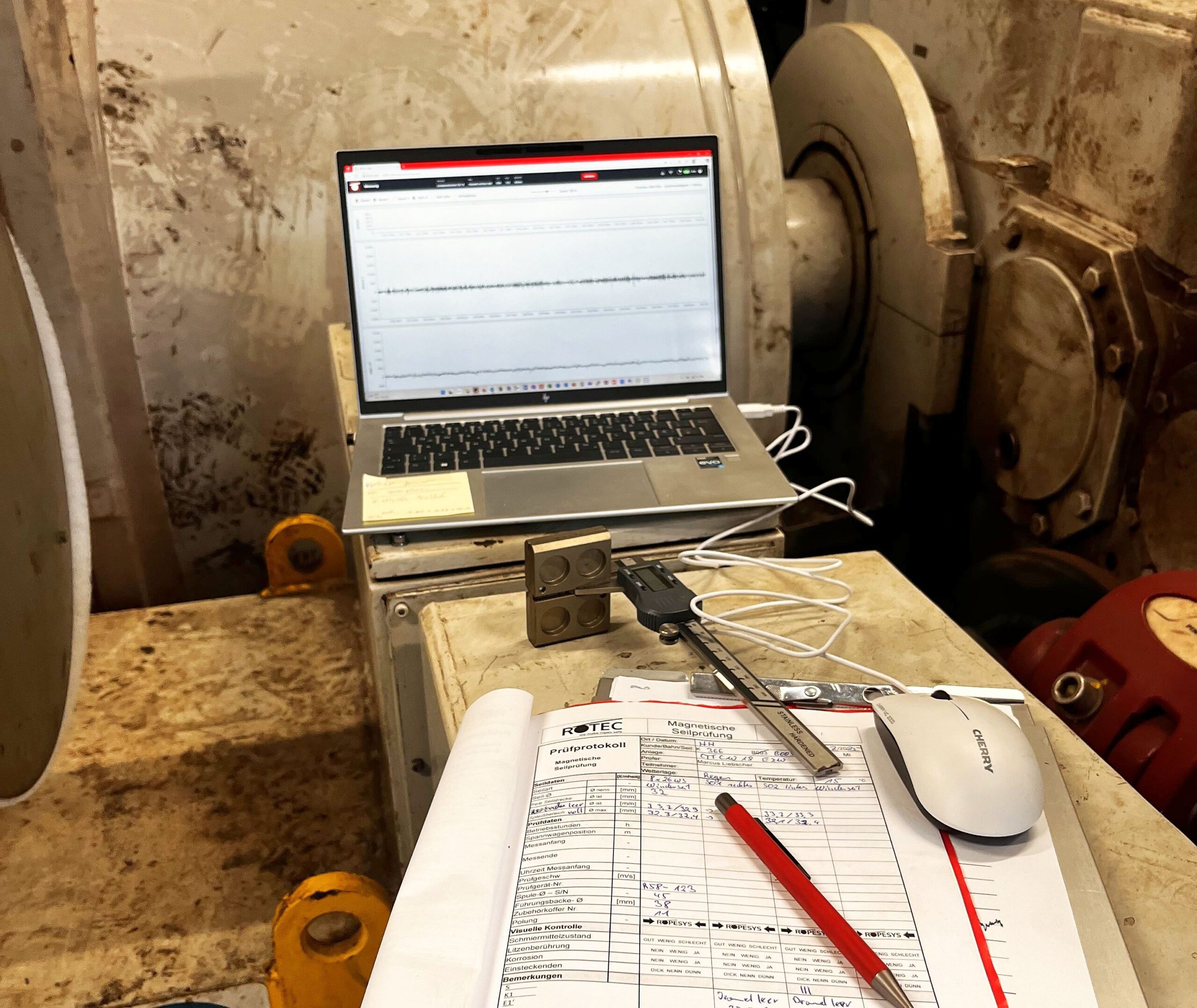
The testing technology employed is an important component of wire rope inspection. Equally crucial, however, is a technical understanding of the specific installation. Especially when dealing with different crane manufacturers, both aspects must work in tandem.
Those who correctly assess the structure and the cable routing are able to determine the appropriate approach for a given situation. Practical experience helps in finding a suitable solution, even when faced with varying structural conditions.
Further information on the testing technology and the areas of application for ROPESYS rope testing devices provides an overview of the technical capabilities and their use on crane systems.
Various cranes at the Tollerort terminal
The work was carried out directly on the container cranes in use at the Tollerort terminal in Hamburg. The approach adopted had to be tailored to each specific piece of equipment and its installation environment.
For Marcus Liebscher, working with various crane designs is part of his everyday routine. Each assignment presents its own unique conditions; therefore, it is essential to examine the specific equipment closely and tailor the inspection accordingly.
The work carried out at HHLA demonstrates that reliable crane rope inspection requires more than just a standardized approach. It is crucial to understand the rope’s construction, take technical capabilities into account, and tailor the inspection to the specific situation at hand.
ROPESYS – Safety at the highest level. Made by engineers in Germany.
Further information
▶ YouTube
Discover more videos about our rope testing systems, application examples, and innovations.
💼 LinkedIn
Follow ROTEC for current projects, new products, and insights into our development work.
In the picture: